Verified Identity Network: Secure Your Emails
Digital Trust, Verified Identity Network
Who Is Really Emailing You? Why We Need a Verified Identity Network
Late on a Tuesday afternoon, an employee in a city department receives an urgent email from the “Chief Financial Officer.” The name, email address, and signature all look right, and the message asks them to fast‑track a payment to a new account before the end of the day—no time for delays, just get it done.
The employee hesitates. The tone seems a bit off, but the sender appears familiar and legitimate. In that moment, the real question is not whether the email passed spam filters; it is simpler and more fundamental: who is actually behind this request?
What Is a Verified Identity Network?
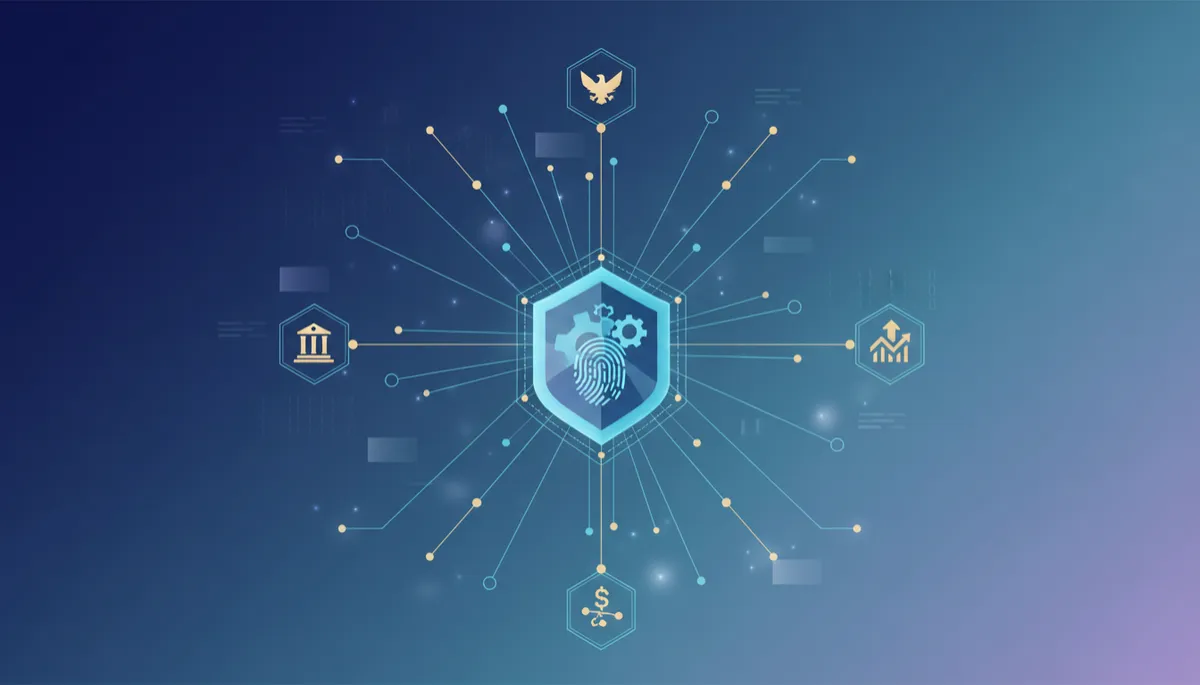
A verified identity network is a shared framework that lets organizations recognize verified people across different systems and services. Instead of each organization starting from scratch, the network connects verified identities so that trust in a person can be reused and recognized by participating organizations while still respecting their own rules and policies.
This idea builds on the evolution of identity verification more broadly. Industry research shows that digital identity is shifting from one‑time checks toward continuous, interoperable trust that can work across many services and platforms, with strong privacy protections and encryption at the core (Forbes Tech Council, “The Future of Digital Identity: 2026 and Beyond”; IDG Connect, “Digital Identity Trends 2023‑2026”; Blockchain Council, “The Role of Blockchain in Future Identity Verification”).
Why Familiar Details Are Not Enough Proof of Identity
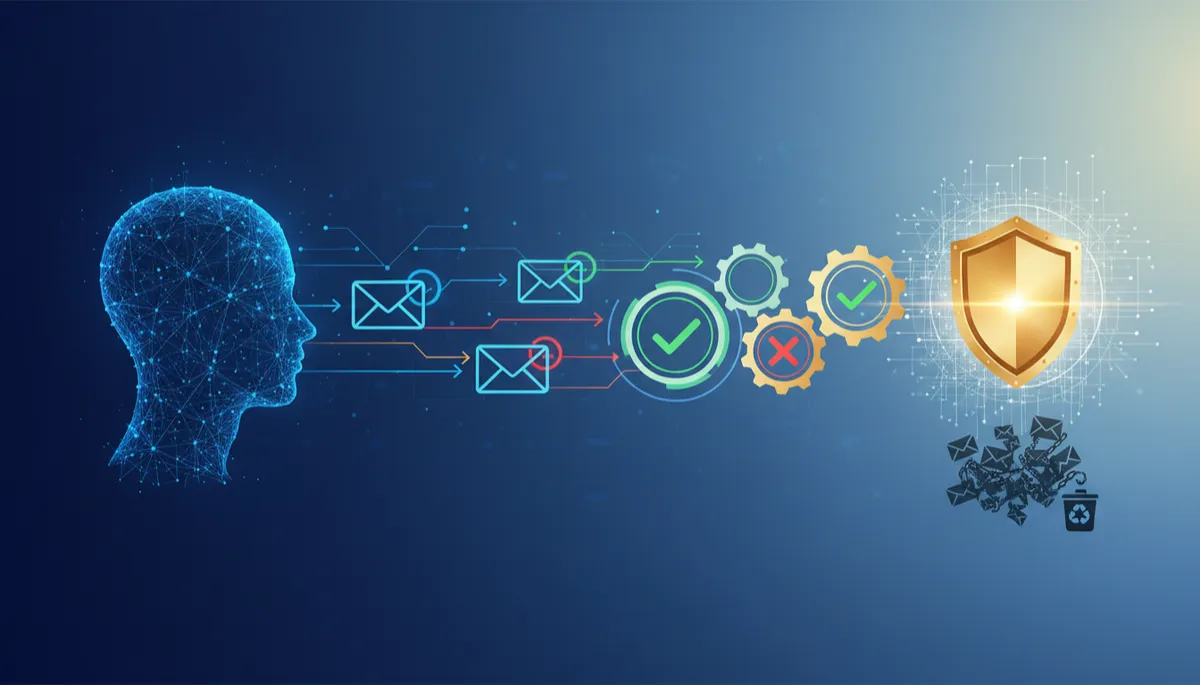
Most of us rely on quick visual cues: a known name, a recognizable email address, a professional profile picture, or a logo in the signature block. Unfortunately, modern attackers know this, and they are very good at copying these details or compromising existing accounts so that messages appear completely routine on the surface. As AI‑generated content and deepfakes become easier to produce, it is even harder to rely on appearance alone as proof of identity (see Tom’s Guide on AI‑powered cyberattacks and LexisNexis fraud trend reports cited in the research above).
Email authentication tools—like SPF, DKIM, and DMARC—are essential. They help confirm that a message really came from a particular domain and was not tampered with in transit. But authenticating the email channel is not the same thing as verifying the person behind the keyboard. A well‑secured email system can still be used by an attacker if an account is stolen, and a familiar display name can still be abused in a spoofed message if policies are not perfect. The goal is not to replace existing email security, but to add another layer focused squarely on who is actually communicating.
What the Network Adds: Reusable, Recognized, but Controlled Identity
A verified identity network adds something today’s tools cannot provide on their own: a way for different organizations to recognize the same verified person, without each one having to rebuild trust from the ground up every time they interact. When a person’s identity has been verified and bound to their communications, that status can be checked by other participants in the network, subject to appropriate privacy and security controls, instead of being guessed from context or appearance.
Crucially, each organization still keeps full control over its own access and approval policies. The network does not force anyone to accept a message or a request; it simply supplies a stronger, shared signal of who a sender is, so that local rules—such as requiring a second approver or limiting high‑risk actions—can be applied more intelligently and consistently.
Everyday Examples of Verified Identity in Action
Consider two government agencies that regularly share sensitive information. Today, each might call the other to confirm unusual requests, or rely on informal relationships between staff. With a verified identity network designed for government communications, the receiving agency can see that the sender is a verified person in a specific role at a specific department, and then apply its own policy—for example, “verified, but still needs manager approval for data release.”
Or imagine a business working with a long‑time vendor. A new accounts‑payable contact emails to change banking details. Instead of relying on the look of the email alone, the business can check whether this contact is a verified person in the vendor’s organization, recognized by the network. That does not mean they send funds automatically, but it makes it much easier to distinguish a real colleague from a stranger pretending to be one, and to decide when extra checks are warranted.
At an individual level, think about someone responding to a rental listing or a classified ad. A verified identity network could let them see that the person they are emailing with has a verified identity recognized by participating platforms, rather than a disposable account created minutes ago. It does not guarantee that the offer is fair or wise, but it raises the bar for impersonation and anonymous scams, and gives people more context before they decide how to proceed.
Verified Identity Is Powerful—But Not a Magic Shield
Even the strongest identity verification does not guarantee that every message is safe. A verified account can still be compromised, a verified person can still make a mistake, and a verified request can still be inappropriate or risky. That is why leading experts emphasize continuous, contextual trust rather than one‑time checks: identity should be one input into a broader decision, not the only one (see BiometricUpdate and Ping Identity’s work on continuous verification in the research summary above).
In practice, this means that verified identity needs to be combined with ongoing monitoring, clear internal processes, and independent approval for sensitive actions. A verified identity network helps you know who you are dealing with; your policies and people still decide what should happen next.
Identify’s Approach: Starting with Government, Expanding to Everyone
Identify is building a verified identity network with a clear starting point: strengthening government communications. By focusing first on how public agencies communicate with each other and with the public, Identify is addressing some of the most sensitive and high‑impact scenarios, where trust in who is speaking can directly affect safety, services, and public confidence.
From there, Identify plans to extend this same foundation to businesses and individuals, so that verified people can be recognized reliably in more of the digital spaces where they work and live. Identify Business is coming soon, building on the same principles: reusable identity, strong privacy protections, and local control over how trust signals are used. The long‑term goal is a network that quietly supports safer decisions in everyday communication, without adding unnecessary friction or complexity.
Moving from Guesswork to Grounded Trust
The next time an urgent email lands in your inbox, you should not have to rely on gut instinct and a quick glance at the sender line. A verified identity network offers a way to anchor digital communication in something stronger than appearance, while still respecting each organization’s judgment and safeguards. It does not remove the need for careful review, but it does help make that review more informed and fair.
If you work in or with the public sector and want to see how this can improve your own government communications, you can explore Identify Government at https://www.identifyall.com/government. To discuss how your organization could participate in the network, or to learn more about what is coming with Identify Business, visit https://www.identifyall.com/contact and start the conversation.
